Ontex Healthcare Australia
Home / Advice and support / Incontinence guide
Clear, supportive information about bladder and bowel incontinence: the causes, the different types, the products that help you manage it, and the foods that can make symptoms worse. Incontinence is a condition, not a disease, and it can be managed with the right plan.
Incontinence is the partial or complete loss of bladder or bowel control. Did you know that incontinence is not a disease but a condition? Unfortunately, it is estimated that over 70% of those struggling with bladder leakage do not seek medical advice.
Incontinence is nothing to be ashamed of and is not always related to your age. It is linked to many health and lifestyle factors such as pregnancy and obesity. Other causes include autism, cancer, cerebral palsy, Parkinson's, dementia, fistulas, prolapse, ulcerative colitis, stroke and spinal cord injuries. It is often a symptom of other medical issues, and sometimes it results from certain medications. If you are experiencing a form of incontinence, you are not alone.
Bowel incontinence figures are from Continence Health Australia.
Whilst incontinence is not widely discussed, many men and women live with the condition every day. There is no cure, but it can be successfully managed with the right treatment plan. There is no need to feel out of control; there are steps you can take to return to your daily activities. Let's take a look at the different types of incontinence.
Urinary incontinence is the leaking of urine that you cannot control. It can happen for several reasons and is experienced by men, women and children. It can be effectively managed and treated once assessed by a medical professional, and it is not only reserved for elderly patients. You should not ignore symptoms of bladder incontinence, as it can affect both your physical and mental health.
Bladder incontinence is when the normal process of urination is disturbed, and it may be a short or long term concern. Many commonly presented symptoms can be improved with simple adjustments to fluid intake, diet, and reassessing medications. A detailed assessment of your fluid intake is usually the first step toward understanding why you are experiencing bladder issues.
A health professional will ask you to track how much fluid you typically drink, what you drink, and what time of day or night you drink it. They may advise you to reduce caffeinated beverages and alcohol, as these can irritate the bladder. A great way to reduce symptoms is by understanding which drinks trigger your incontinence.
Bowel incontinence is when you have trouble controlling your bowel movements. This can cause constipation, diarrhoea, gas and bloating, affecting your overall health and wellbeing. Bowel movements can occur once or several times a day depending on your condition, and result in the inability to stop yourself from having a bowel movement. It is typically seen in the elderly, but it can affect people for many reasons, such as medications or injury.
There are many possible causes of bowel incontinence, and a medical professional is the best option for addressing the root cause of your symptoms. It is important not to self-diagnose, as this may cause you to make incorrect adjustments to your lifestyle or delay appropriate treatment. Preventing faecal incontinence is complicated, primarily because it is often caused by situations we feel we cannot control, such as prolonged labour, injuries from over-straining due to constipation, physical activities such as sport or heavy lifting, and side effects of certain prescription medications.
You can make many lifestyle choices to keep your bowels healthy, such as drinking enough water, eating a whole food diet high in fibre, limiting alcohol and processed foods, and maintaining a healthy weight for your body.
Did you know there are different types of incontinence? This is why it is essential to check with a medical professional if you feel you are dealing with signs or symptoms. Knowing the correct type of incontinence is the best way to discover the right path for treatment.
A sudden, overwhelming urge to urinate, also known as overactive bladder. It is caused by a problem in the detrusor muscles in the walls of the bladder: when they contract too often, they create a constant urge. Multiple sclerosis, Parkinson's disease, a stroke, a brain tumour or a spinal injury can interfere with the nerve signals involved in bladder control.
Bladder leakage caused by internal abdominal pressure from everyday activities like sport, coughing or laughing. It is caused by weakened pelvic floor muscles or a damaged urethral sphincter. It is common in women, especially after childbirth, and in men who have had prostate treatment or surgery.
When you cannot fully empty your bladder. The bladder stays full and overflows because the muscles cannot hold on, often due to an obstruction. Also known as chronic urinary retention, it may cause frequent leakage and may or may not be painful.
A person has working use of their bladder but cannot always make it to the bathroom in time. In most cases this is linked to physical or mental impairment, but it can be caused by other illnesses and muscle weakness.
Leakage that happens without the usual urge to go, because nerve damage stops the bladder telling the brain it is full, so the bladder empties by reflex once it fills. It is most often linked to neurological conditions such as spinal cord injury or multiple sclerosis. Some medicines can also cause leakage as a side effect; if leakage started after a new medication, mention it to your doctor or pharmacist.
When a person has to wake at night to pass urine, often disrupting sleep. Nocturia can occur due to a number of medical or lifestyle factors such as age, pregnancy, caffeine and alcohol intake, and diabetes.
A person may be diagnosed with mixed incontinence if one or more of the types above are experienced together.
Diagnosed when there is no control over the bladder and a person experiences consistent leakage throughout the day.
Also known as involuntary urination. It is triggered by a short-lived cause such as a urinary tract infection or a specific medication, and is quickly remedied with appropriate treatment.
When a person cannot control the passing of stool from the bowel.
When a person involuntarily and unknowingly loses control of their bowel movements.
Continence is the ability to control bladder and bowel movements. Incontinence is the involuntary loss of bladder or bowel control.
Certain prescription medications and over-the-counter medicines can cause incontinence as a side effect. It is essential to talk with your healthcare provider about incontinence if you are taking any of the following:
When dealing with bladder or bowel incontinence for the first time, there are several things to consider so you can feel confident and have peace of mind in daily life. First, decide which continence aid gives you the comfort and support you need to manage your symptoms.
Continence aids are designed to support individuals with absorbent, discreet and comfortable products. Ontex continence aids provide odour protection, and all iD products are 100% breathable to preserve the integrity of the skin and are approved by dermatologists. Our products offer different absorbency levels, from light to heavy, to suit different personal needs. If you are unsure which product is right for your level of incontinence, it is best to check with your healthcare professional.
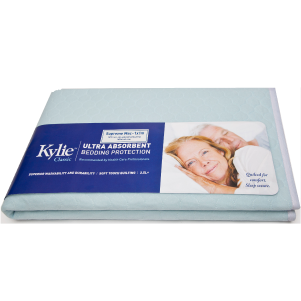
Ontex manufactures the iconic Kylie washable bed protection range, providing quality bedding protection for over 45 years and suitable for all levels of incontinence. Its five layer system keeps the user dry and comfortable. The range includes bedding protection, chair pads, mattress covers, sheets and pillow covers for adults and children.
Explore Kylie bed protection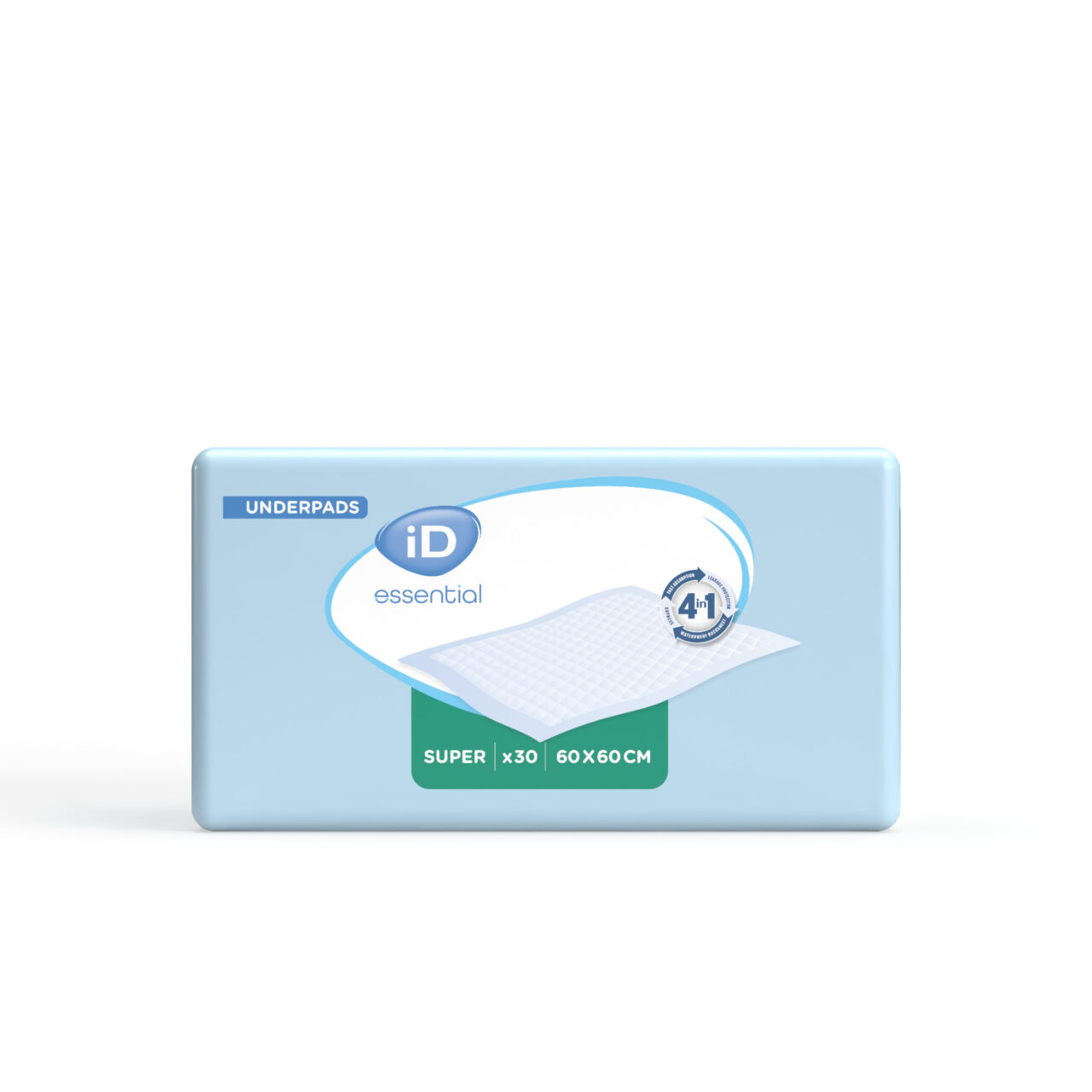
Designed to provide a high level of protection, available in a range of sizes and absorbencies. The iD Expert range has a soft top layer and comes in packs of 30. The iD Protect range has a fast absorbing protection sheet with a unique cushion design that is ideal for home care.
Browse disposable bed pads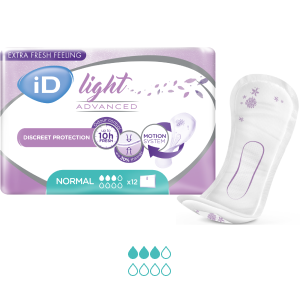
Single-use pads worn discreetly inside your underwear to keep you fresh and dry. Sanitary pads are not as absorbent as incontinence pads for bladder leakage, so it is vital to use the correct product. Light pads line your regular underwear, have a super absorbent core, and are thin and discreet; the iD Light range keeps you fresh for up to 10 hours.
See our guide to incontinence pads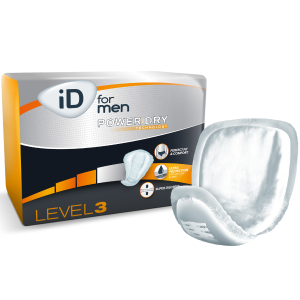
Ontex has a range of light pads specifically for men who want ultra protection. The iD men's pouch uses power dry technology, has a cotton sensation, is ultra discreet with rapid absorption and odour control, and is available in three levels of absorbency. For sport, we recommend iD For Men Level 3.
Browse pads for men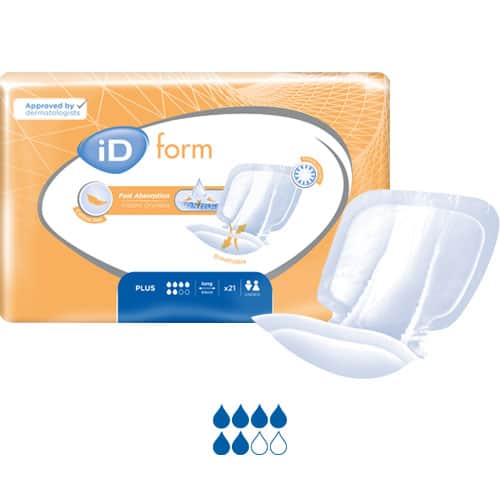
Ideal for managing moderate to heavy urinary incontinence, with anti-leakage protection that keeps you dry through the day or overnight. They suit anyone requiring assistance with toileting. The iD range has Dry Zone Technology with fast absorption, instant dryness and a double wetness indicator.
Browse large shaped pads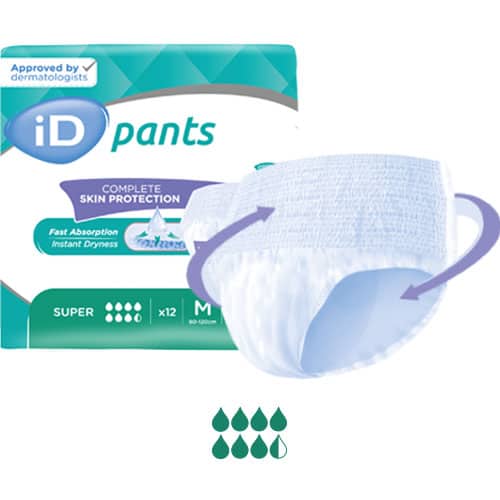
Pull up pants feel like regular underwear and can help ensure a good night's sleep. The iD Classic range offers complete skin protection, fast absorption, instant dryness, and a 100% breathable, skin friendly top sheet. The Maxi level keeps you feeling dry for up to 10 hours and is recommended for overnight use; in tests, 98% of participants confirmed skin integrity after wearing them overnight.
Browse pull up pants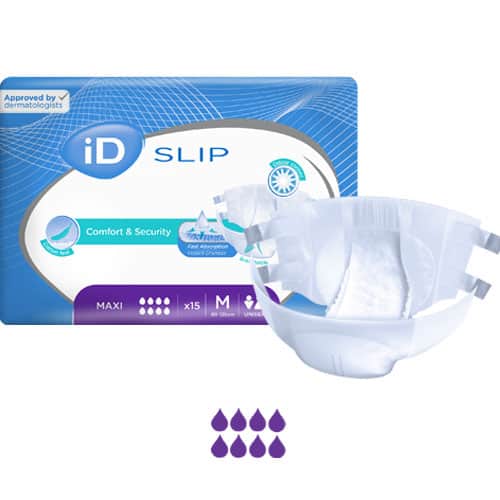
Tab style slips are ideal for people with limited mobility and moderate to heavy incontinence. Four resealable tabs make them easy to apply and keep the pad secure. They are 100% breathable, have a double wetness indicator and integrated cuffs for maximum protection, in sizes from small to XXL.
Browse continence products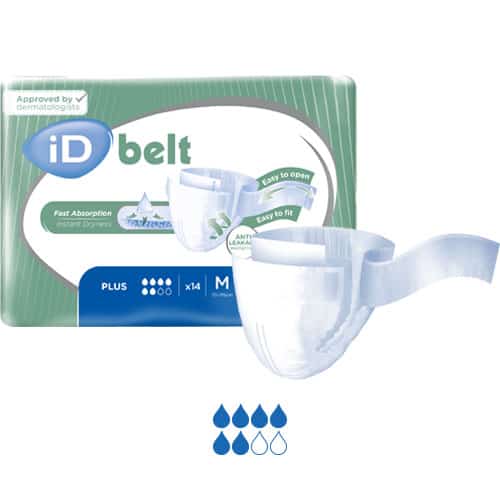
The iD Belt range offers protection for moderate to severe incontinence and is easy to apply and adjustable. It provides 6 to 8 hours of protection and comes in sizes from small to XL in Plus, Super and Maxi absorbencies.
Browse continence products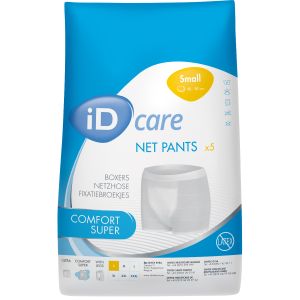
Net pants are figure-hugging, form-fitting and comfortable to wear with incontinence pads. Soft to the touch, they help hold disposable iD Form pads in place, giving extra security and greater freedom of movement.
Browse net pants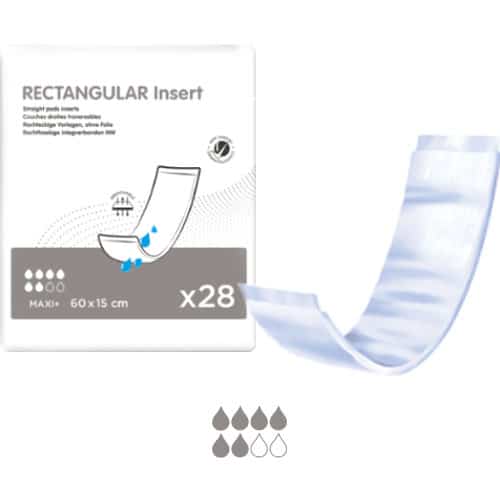
Boosters are rectangle-shaped absorbent pads that can be added to all-in-ones and briefs. They are hypo-allergenic and feature a unique air-flow system that is 100% breathable.
Browse boosters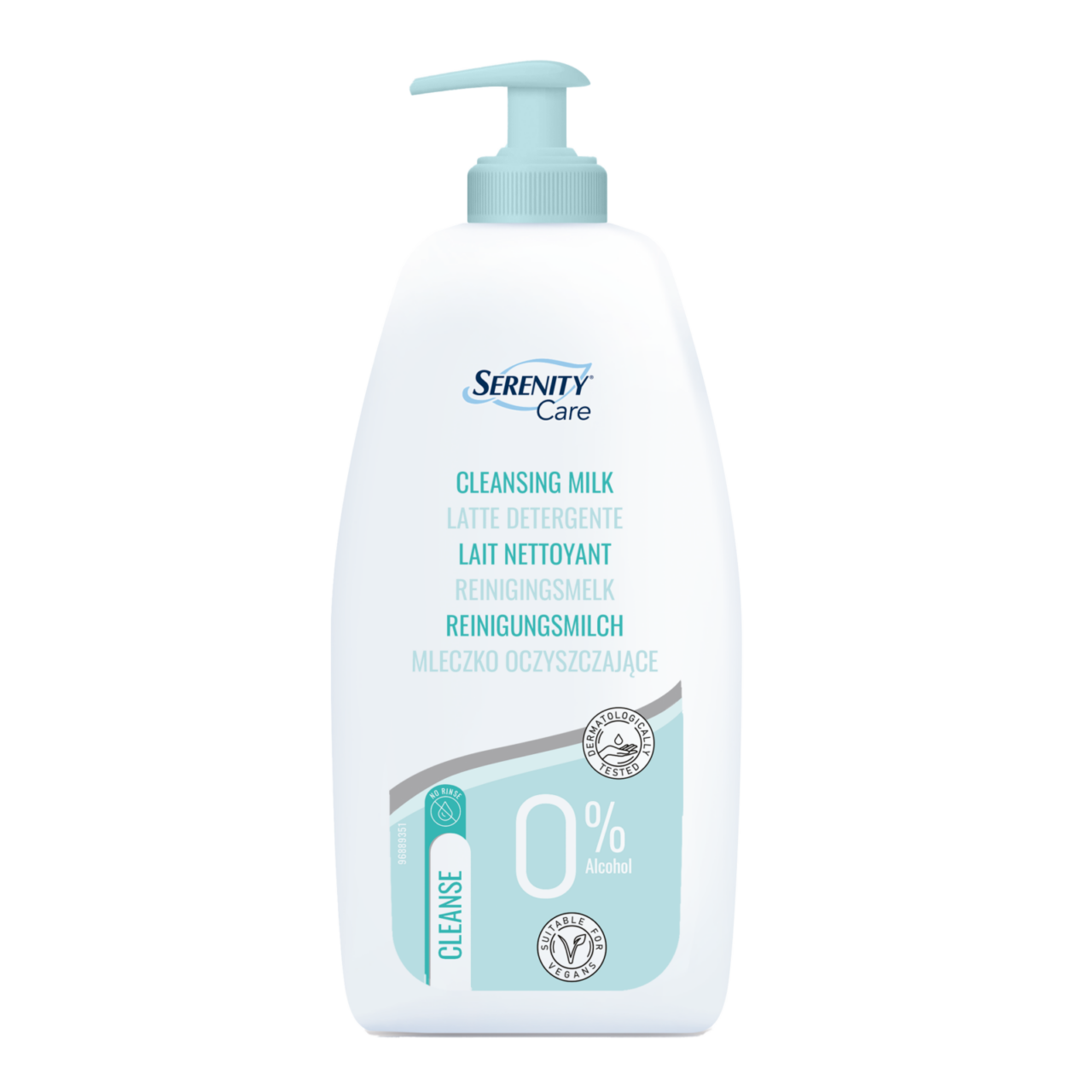
Keeping skin protected, nourished and hydrated helps you avoid discomfort and minimise the risk of skin infections. iD has a range of skin care products for sensitive skin, including moisturising creams, wipes, cleansers, wet wash gloves and shampoo caps. The iD barrier cream helps prevent and calm irritation; apply a thin layer for best results.
Browse skin careNot sure where to start? Our product selector asks a few quick questions about gender, leakage level and mobility, then recommends a product and lets you order it as a free sample.
Maintaining excellent hygiene is essential when managing bladder or bowel incontinence. Cleaning can be a significant cause of stress and fatigue for those managing symptoms and for their carers, which is why purpose-designed hygienic products such as cleansers and wipes are so helpful. The correct, high-quality products reduce cross-contamination, infection and odour. We recommend a 3-step approach using the iD skin care range.
These can occur when a product is worn for too long. Skin reactions can also be an allergic reaction to a specific ingredient or material and should be discussed with your healthcare professional. If you are sensitive or allergic to latex, be sure to request a latex-free product. The most crucial step is finding the correct fit: a product that is too big or too small will irritate or rub, increasing the chance of a rash or infection. All iD incontinence products are dermatologically tested.
Children may need additional support with an incontinence aid past the age of three for a wide variety of reasons, including anxiety, bladder training, diabetes, overactive bladder, ADHD, slower physical development, structural problems in the urinary tract, a small bladder, and stressful events. Some children may need a continence aid through their teenage years.
The iD Comfy range of pants and slips is designed to feel like real underwear, making it a comfortable solution. iD Comfy Junior Pants come in XS and S sizes with soft side panels and a highly absorbent core for maximum protection. The iD Comfy Junior Slip has high absorption capacity and covers waist sizes from 40 to 70cm.
Looking for children's products? Browse the kids range.
Selecting the right continence aid can feel overwhelming. There are so many products available, from bed pads to pull up pants, which is why we have a product selector tool to help you find the best product for your needs. You can also order free samples so you can try the perfect product before you buy.
Already found what you are looking for? Our trusted iD, Lille and Kylie brands can be purchased through our distributors. See the full list of national, state and local suppliers on our where to buy page.
Individuals and carers can order up to 4 free samples to find the right fit. Work through the product selector, review your recommendations, then choose what to try at home. It is simple, discreet and completely free.
Certain foods can irritate the bladder and worsen your symptoms, so it is best to cut down on or avoid the foods that aggravate your condition. If you are experiencing bladder pain, bladder control issues, urge incontinence or a loss of control over your bladder or bowel movements, your diet is essential.
If you are diagnosed with a type of bladder incontinence such as urinary urgency or a sensitive bladder, you may like to eliminate irritating foods and slowly reintroduce them to see which ones you can tolerate. Not all foods need to be eliminated; some can be enjoyed in moderation. Overall, it helps to reduce your intake of acidic foods, including citrus fruit, coffee, alcohol and vinegar.
Symptoms vary significantly from person to person, but what most incontinence conditions have in common is that irritating and inflammatory foods make them worse. One of the best places to start managing symptoms is in the kitchen. Think of this as a lifestyle change rather than a diet, embracing what you can eat rather than focusing on what you cannot. Keeping a food diary is helpful so you can discover which ingredients are likely triggering your bladder irritation. Here are the most common foods that irritate the bladder:
| Food or drink | Why it can irritate the bladder | Tip |
|---|---|---|
| Cranberry juice | Can increase bladder problems, even though it can help avoid urinary tract infections. | Enjoy in moderation and monitor your symptoms. |
| Apple juice | Less acidic than many juices, so some people tolerate it better. | Try diluting apple juice with water. |
| Dairy | Rich and heavy dairy ingredients such as sour cream and aged cheese can be triggering, and dairy can also trigger bowel symptoms. | Try dairy-free alternatives such as coconut yoghurt, soy milk and dairy-free cheese. |
| Carbonated beverages | Soft drinks, soda water, energy drinks and other carbonated drinks stimulate and irritate the bladder. | Swap for still water or a non-acidic herbal tea. |
| Tomato-based products | Tomato is a fruit that can irritate the bladder, including pasta sauce, ketchup, tomato soup, pizza sauce and salsa. | Reduce portion sizes and note whether symptoms change. |
| Citrus fruits | Acidic fruits can irritate a sensitive bladder, including lemon, orange, lime, grapefruit, clementines and pineapple. | Choose lower-acid fruits such as pears or blueberries instead. |
| Dried fruits | Sweet dried fruits such as dates and prunes can irritate the bladder. | Enjoy sparingly and pair with plenty of water. |
| Onion | Raw onion and spicy foods can aggravate symptoms. | Swap for a milder version such as shallots, and avoid spicy foods. |
| Coffee, tea and chocolate | Stimulate the bladder and create an urgency to urinate. They can cause dehydration and act as a diuretic. | White chocolate contains less caffeine and is an alternative to milk or dark chocolate. |
| Artificial sweeteners | Sweeteners such as sorbitol, fructose, mannitol and stevia, along with artificial colours, flavours and preservatives, can irritate the bladder. They are commonly hidden in condiments, carbonated drinks, processed food and chewing gum. | Read labels and reduce processed foods where you can. |
| Alcohol | Interferes with the brain's signals to the bladder for urination and causes dehydration. Includes beer, brewer's yeast and wine. | Limit intake and alternate with water. |
| High sodium foods | Salty foods such as chips, nut mixes and pretzels can make you thirsty, leading to overconsumption of liquids. | Choose lower-salt snacks and watch total fluid intake. |
By removing certain foods from your daily diet and understanding how certain medications affect your overall health, you can learn to manage your symptoms. Healthy foods and drinks that help you maintain a healthy weight play an essential role in managing a sensitive bladder. Do not forget to journal your results in a food diary to keep track of which foods appear to make your bladder or bowel symptoms worse.
If you have concerns about your bladder symptoms, it is recommended that you see a health professional who can provide medical advice. Urinary incontinence can be successfully managed with the correct path of treatment, and a professional can help you manage your fluid intake, including whether you are consuming too much or too little.
No. Incontinence is a condition, not a disease. It is often a symptom of other medical issues, and sometimes it results from certain medications. It is not always related to age, and it can be linked to factors such as pregnancy, obesity and a range of health conditions.
There is no cure, but incontinence can be successfully managed with the right treatment plan. Many symptoms improve with simple adjustments to fluid intake, diet and medications, alongside the right continence products. A medical professional can assess your symptoms and recommend a path of treatment.
Continence is the ability to control bladder and bowel movements. Incontinence is the involuntary loss of bladder or bowel control.
It depends on who is wearing it, how much leakage there is, and whether it is needed for the day, for overnight, or to protect a bed or chair. Our product selector asks a few quick questions and recommends a product you can order as a free sample. If you are unsure, check with your healthcare professional. For pads specifically, see our guide to incontinence pads.
Yes. Acidic and inflammatory foods and drinks, such as citrus fruit, coffee, alcohol, carbonated drinks and artificial sweeteners, can irritate the bladder and worsen symptoms. Keeping a food diary helps you identify your own triggers. See the foods that irritate the bladder above.
Our iD, Lille and Kylie brands are available through our distributors. See the full list of national, state and local suppliers on our where to buy page, or order free samples first through the product selector.
Access a wide range of exclusive resources and order up to 40 free samples for your workplace. Register with your organisation's email address so we can verify you as a healthcare professional.
This guide is general information only and is not a substitute for professional medical advice. If you have concerns about bladder or bowel symptoms, see a health professional who can assess your situation and recommend the right treatment for you.